
On July 29, 2026, Legora, the Swedish agentic legal AI platform valued at $5.6 billion, announced the acquisition of Wexler, a London-based startup specializing in litigation fact intelligence. The deal, reported by Artificial Lawyer, marks Legora's fifth acquisition of 2026 and represents a strategic consolidation of the legal AI market as the company builds out what it calls a 'fact layer' beneath its agentic workflows. For personal injury law firms, the Legora-Wexler deal signals that the largest legal AI platforms are now acquiring specialized litigation capabilities, a trend that will reshape how PI firms access case development technology and how they compete with AI-native firms that can process evidence at industrial scale.
Wexler's core technology is designed to extract, verify, and organize discrete facts from vast document collections rather than simply summarizing content. In complex litigation, Wexler's engine can process more than one million documents per case, isolating relevant facts, mapping them to legal issues, and constructing chronological evidentiary records that attorneys can use to build case theory. The platform's clients include major global firms such as Clifford Chance, Goodwin, and Herbert Smith Freehills Kramer. Wexler's 18-person team will form the foundation of Legora's new London engineering hub, expanding the company's global footprint beyond its existing offices in Stockholm, New York, and Mexico City.
The strategic rationale for the acquisition is clear. Legora has been positioning itself as an 'agentic operating system' for legal work, and agentic AI requires a foundation of verified facts to function autonomously. Without accurate, structured fact extraction, AI agents risk hallucinating case timelines, misattributing evidence, and producing work product that collapses under adversarial scrutiny. By integrating Wexler's engine, Legora intends to provide what it calls 'case brains' within its workspace: comprehensive chronologies and evidentiary records that serve as the single source of truth for all subsequent AI-driven analysis, drafting, and negotiation. This architecture directly addresses the malpractice risk that has made many PI firms cautious about AI adoption: the risk that an AI agent will generate a settlement demand or trial brief based on incomplete or incorrect facts.
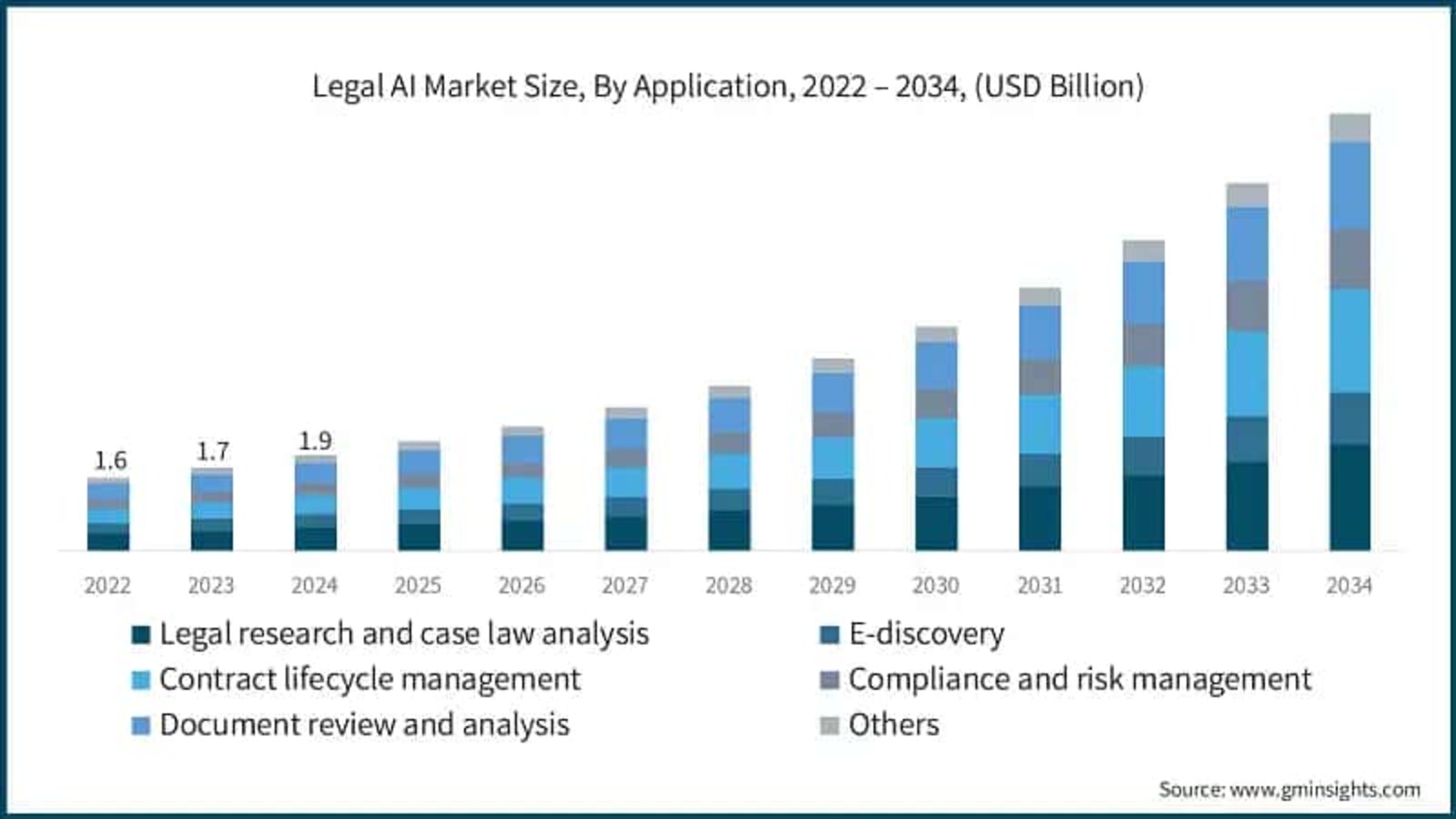
The acquisition also highlights the accelerating consolidation of the legal AI market. In 2026 alone, Legora has acquired Walter AI (Canada), Qura (Sweden), Graceview (Australia), Cadastral (commercial real estate), and now Wexler (UK). The company has raised $600 million in a Series D round and now serves more than 100,000 legal professionals across 1,500 law firms and corporate legal departments. For personal injury law firm leadership, the Legora-Wexler deal carries three practical implications. First, the fact-extraction capabilities that Wexler brings are directly applicable to the medical records, deposition transcripts, and discovery documents that dominate PI practice, and PI firms should evaluate whether their current AI tools can accurately extract dates of service, provider names, diagnoses, and damages from unstructured documents at the scale that Wexler's technology has already demonstrated. Second, the trend toward platform consolidation means that the best-in-class point solutions for litigation support may be absorbed by larger platforms, and PI firms that have invested in standalone tools should assess whether those vendors have the capital and strategic positioning to remain independent or whether migration to a consolidated platform will become necessary. Third, the emergence of 'case brains' as a foundational AI concept suggests that the most competitive PI firms will be those that build comprehensive, AI-accessible case databases from the earliest stages of intake, rather than treating AI as a late-stage drafting tool. As agentic AI becomes capable of autonomous case development, the quality of the underlying fact layer will determine the quality of everything the AI produces, and Wexler's technology represents a significant step toward making that fact layer reliable at scale.