On July 29, 2026, Discern, a software-first registered agent and legal entity management platform, announced the completion of a $10 million Series A funding round led by Walkabout Ventures and Bungalow Capital, bringing the company's total funding to $17.5 million. The announcement, reported by Law.com Legaltech News and Yahoo Finance, marks a significant milestone for a platform that has reported a fourfold increase in annual recurring revenue during 2025 and more than doubled its customer base in the first five months of 2026. For personal injury law firms, the Discern funding and its underlying technology represent a signal that the legal operations infrastructure market is rapidly adopting AI-driven automation for compliance, entity management, and administrative workflows that have historically consumed substantial attorney and staff time without generating client-facing value.
Discern's platform automates and centralizes legal entity data management, including annual report filings, registered agent services, invoice management, payment processing, and record-keeping, through a single unified interface. The company serves more than 800 clients, including public companies, asset managers, and regulated businesses across technology, finance, and healthcare sectors. Existing clients such as Vestwell, Accolade Partners, and IA Ventures utilize the platform to manage complex multi-state compliance requirements, including Delaware franchise tax obligations and annual report filings across multiple jurisdictions. The platform claims to reduce the time spent on state filings by more than 90%, a productivity gain that translates directly into cost savings for law firms and corporate legal departments that handle large volumes of entity maintenance work.
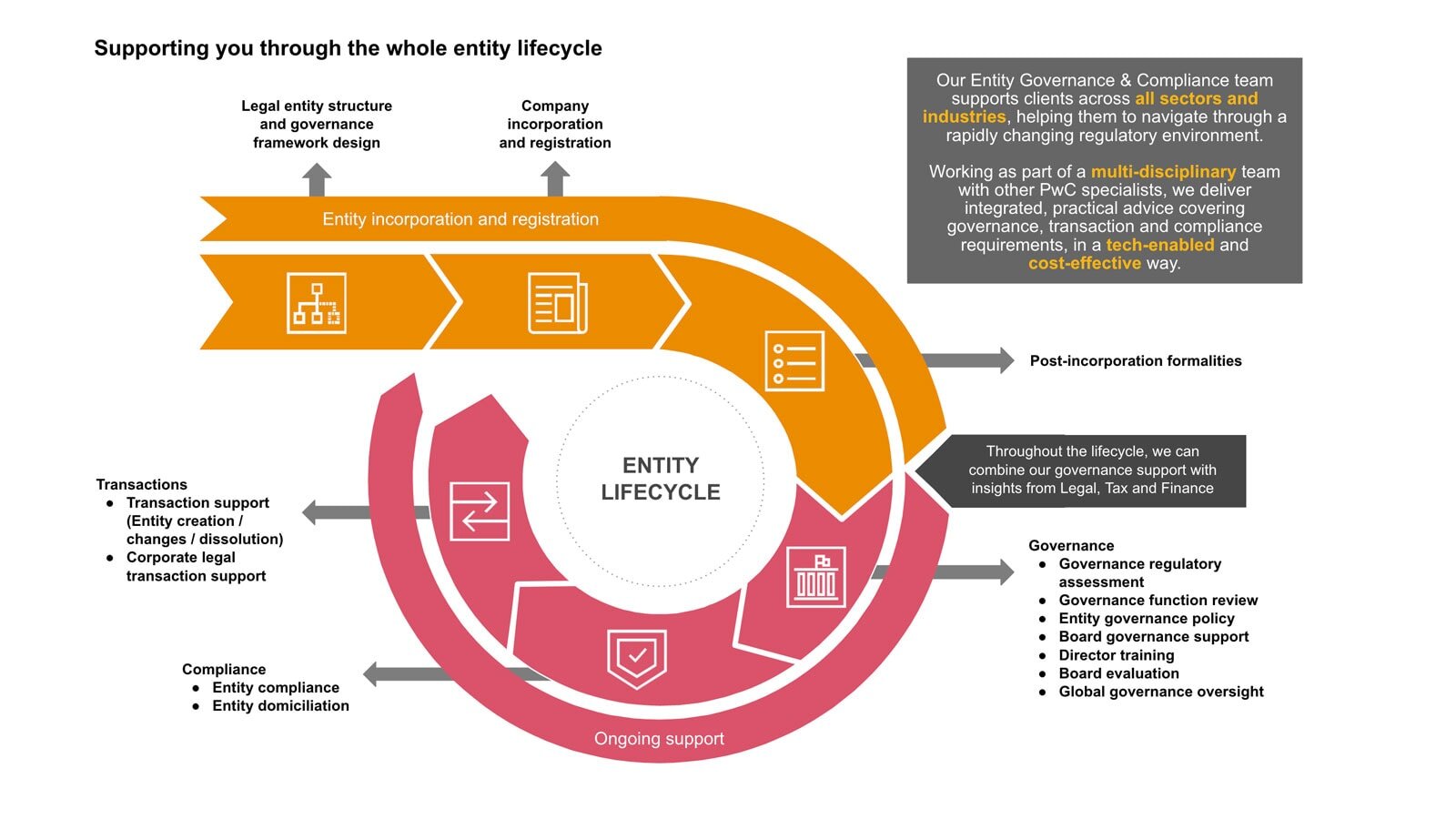
The funding arrives at a time when the legal entity management market is undergoing a technology-driven transformation. Traditional registered agent services and entity management have been dominated by manual processes, spreadsheet tracking, and fragmented state-by-state filing workflows that create compliance gaps, missed deadlines, and administrative overhead. Discern's software-first approach replaces these manual workflows with automated deadline tracking, centralized document repositories, and integrated payment processing, reducing the risk of lapsed entity status, missed franchise tax payments, and administrative dissolution. For personal injury law firms that operate as professional corporations, limited liability partnerships, or multi-state practices, the implications are immediate: entity compliance failures can result in loss of good standing, suspension of the right to practice, and exposure to personal liability for firm partners, all of which can be catastrophic for a practice that depends on its license to operate.
The strategic use of the Series A capital provides insight into how Discern and its investors view the market opportunity. The company intends to hire across its operations and engineering teams to meet increasing market demand, and to expand the features of its registered agent service and legal entity management platform. This growth trajectory suggests that the legal entity management market is becoming increasingly competitive, and that incumbent providers that rely on manual processes and legacy technology will face pressure to modernize or risk losing market share to AI-native platforms. The fact that Discern has achieved 4x ARR growth and doubled its customer base in under six months indicates that the market is receptive to automation in this traditionally low-tech domain.
For personal injury law firm leadership, the Discern funding and platform expansion carry three practical implications. First, the automation of entity compliance and registered agent services can free up paralegal and administrative staff time that is currently consumed by manual filing tracking, deadline management, and state correspondence, allowing those resources to be redirected to client-facing work such as case intake, document preparation, and discovery support. At a time when PI firms are under constant pressure to maximize staff productivity, the 90% reduction in filing time that Discern claims represents a meaningful operational improvement. Second, the centralization of entity data in a single platform reduces the compliance risk associated with fragmented record-keeping across multiple states, particularly for firms that operate in multiple jurisdictions or that have formed separate entities for liability protection, tax planning, or practice area segmentation. A single missed annual report or franchise tax payment can trigger administrative dissolution, which can invalidate insurance coverage, suspend banking relationships, and create personal liability exposure for firm principals. Third, the software-first model that Discern represents is part of a broader trend in legal operations technology toward replacing manual, error-prone administrative processes with automated, auditable workflows that generate compliance documentation as a byproduct of normal operations. PI firms that evaluate their own administrative workflows, including entity management, billing, calendaring, and conflict checking, should identify the processes that are most susceptible to human error and prioritize automation investments in those areas. The Discern platform is not a legal AI tool in the sense of document generation or case analysis, but it is a critical infrastructure component that ensures the operational foundation of the firm remains compliant, secure, and efficient, and that foundation is a prerequisite for any successful technology-driven transformation of the firm's legal practice.