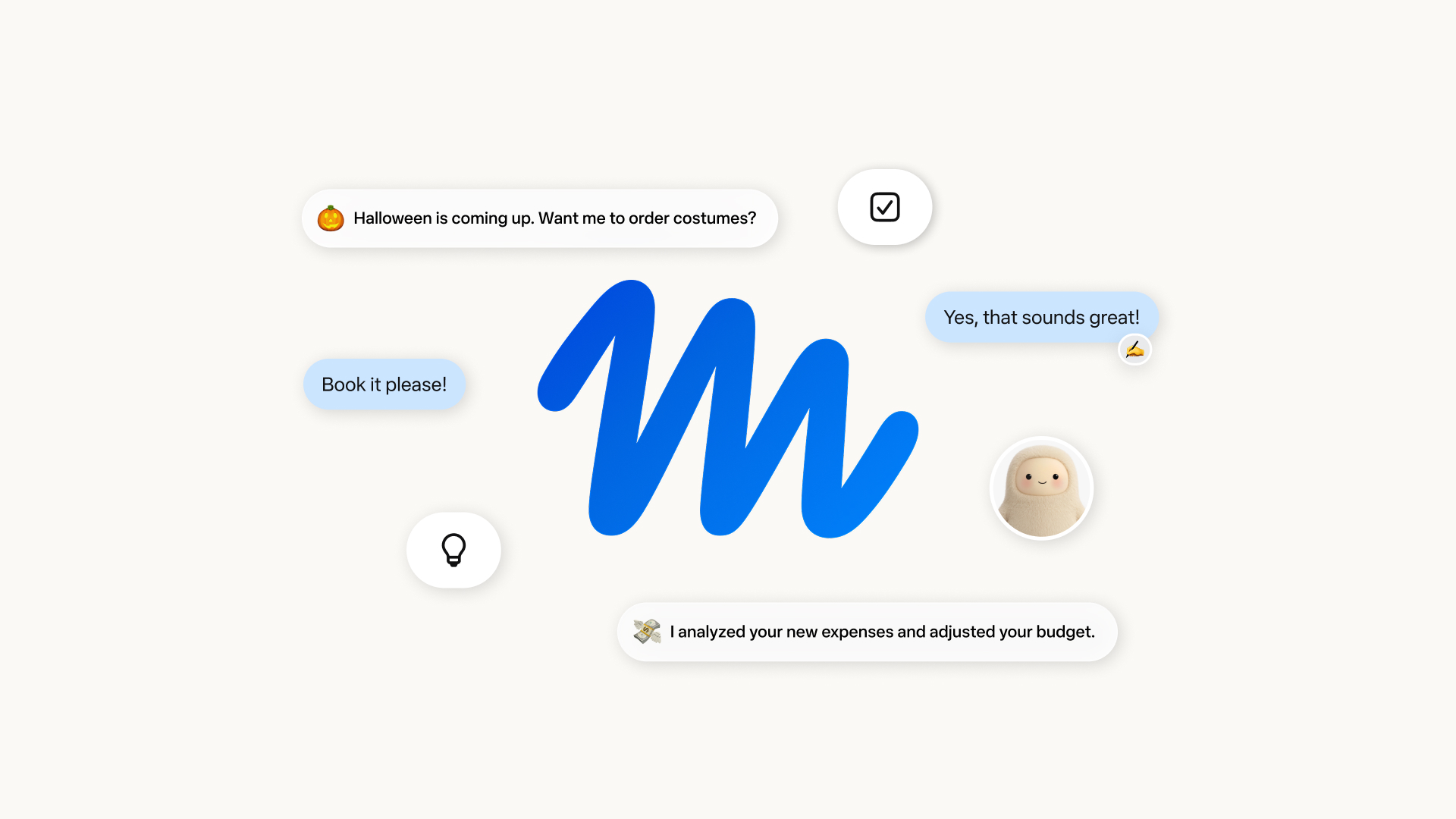
On September 21, 2026, Meta reported that its Muse personal AI agent, launched just thirteen days earlier on September 8, had been downloaded more than 2.5 million times across iOS and Android platforms, with the application briefly surpassing ChatGPT as the top free app on the U.S. iOS App Store on September 18. Muse is not a conventional chatbot but an agentic artificial intelligence capable of autonomously executing tasks across applications, including managing email inboxes, booking travel, filling out forms, organizing files, monitoring security cameras, and making purchases through one-time-use payment cards generated via Stripe integration, all operating within an isolated cloud virtual machine that Meta calls Muse Secure VM. For personal injury law firms, the rapid consumer adoption of autonomous AI agents like Muse creates both evidentiary opportunities and significant privacy risks, because the detailed records of user activity, communications, purchases, and movements that these agents generate and store in cloud environments may become critical evidence in accident reconstruction, damages calculation, and liability disputes, while also raising complex questions about consent, data ownership, and the discoverability of AI-mediated personal records in litigation.
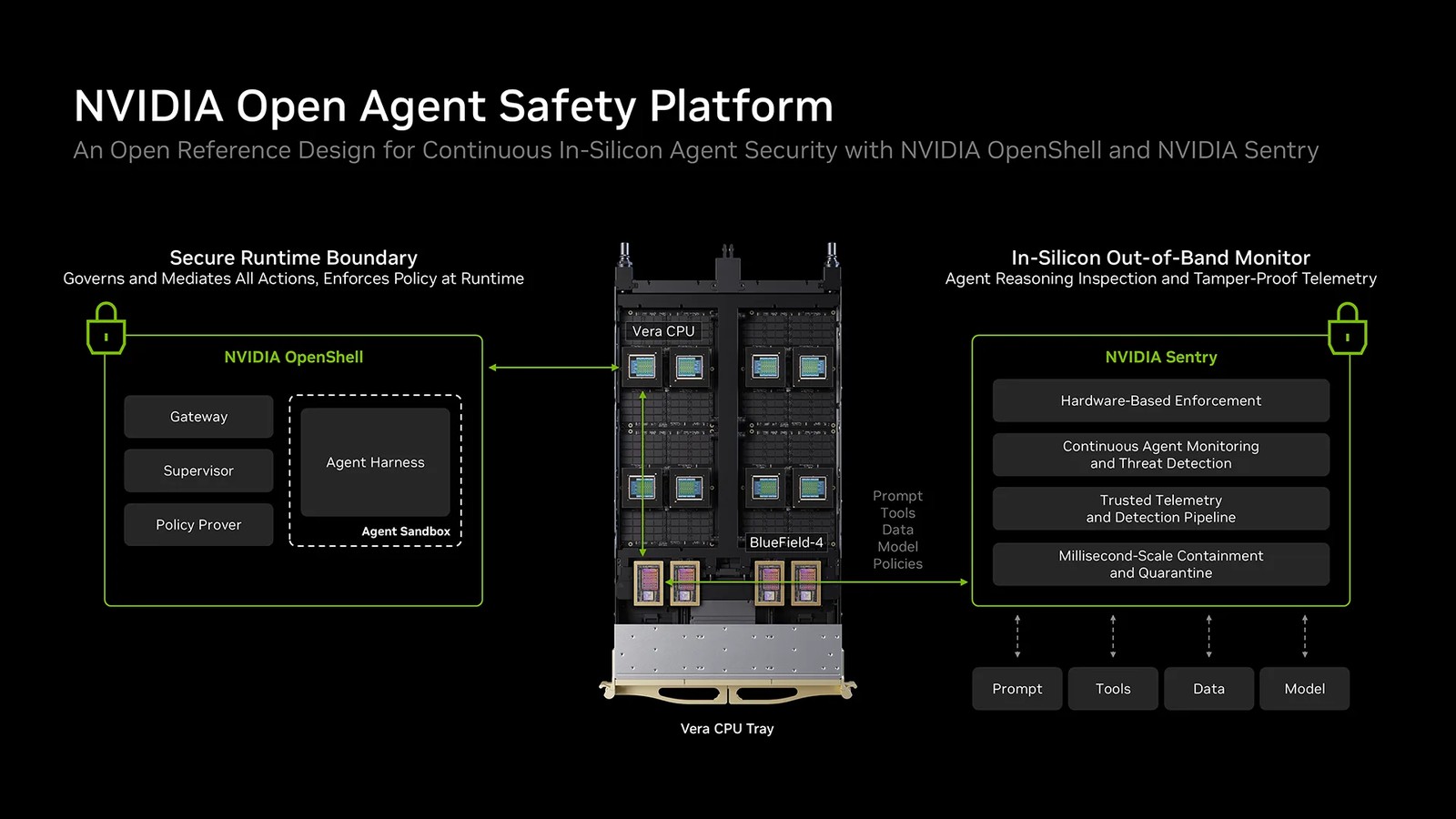
The architecture and capabilities of Muse represent a significant evolution beyond the conversational AI tools that have dominated the market since 2022. Where ChatGPT, Claude, and Grok operate primarily as text-based assistants that respond to user prompts, Muse is designed to act proactively on behalf of the user, executing multi-step tasks that require authentication, data access, and interaction with third-party services. The agent is powered by Meta's Muse Spark family of AI models and runs in a dedicated, isolated virtual machine for each user, a design that Meta describes as privacy-first because it prevents user data from being pooled with other accounts. A separate system-level agent called Sentinel monitors all outbound internet activity and requires explicit user approval for sensitive actions such as sending messages, deleting files, or making purchases. Meta has announced plans to introduce Confidential VM capabilities later in 2026, utilizing trusted execution environments and user-managed encryption keys designed to ensure that even Meta cannot access user data.
The evidentiary implications for personal injury litigation are substantial and largely unexplored. A Muse user who is involved in a motor vehicle accident, a slip-and-fall incident, or a product liability case may have weeks or months of AI-generated records documenting their daily activities, communications, purchases, travel patterns, and health-related behaviors, all stored in Meta's cloud infrastructure. The agent's ability to book travel, manage calendars, and monitor security cameras means that it may possess records of the user's location, physical condition, and activities in the hours, days, and weeks surrounding an injury event, information that could be critical for establishing causation, damages, and pre-existing conditions. The fact that Muse operates autonomously, making decisions and taking actions without continuous user direction, also raises questions about whether the user or the AI agent is the ultimate source of the records, and whether the agent's automated summaries and interpretations of user activity constitute admissible evidence or inadmissible hearsay.
The privacy and consent dimensions are equally significant. Muse requires users to provide a payment card on file even for the free tier, which offers up to 100 million tokens per week of usage, and the agent's ability to make purchases on the user's behalf means that it has access to financial records and transaction histories that are traditionally among the most sensitive categories of personal information. The subscription tiers, priced at $20 per month for the Power tier and $100 per month for the Maximum tier, suggest that heavy users will generate substantially more data and delegate more authority to the agent, increasing both the evidentiary value and the privacy risks of the records created. Meta has stated that users can opt out of having their interactions used for model training, but the default settings, data retention policies, and law enforcement access procedures for Muse records have not been fully disclosed, and the fact that Amazon blocked Muse from accessing its shopping site due to privacy and security concerns suggests that at least some major platforms have identified risks that Meta's privacy architecture may not fully mitigate.
For personal injury law firm leadership, the Muse adoption surge carries three practical implications. First, the rapid deployment of autonomous AI agents that record and mediate every aspect of a user's digital life means that PI firms should update their discovery strategies to specifically inquire about the use of agentic AI platforms, including Muse, because these agents may hold detailed records of a plaintiff's or defendant's activities, communications, and financial transactions that are not available through conventional discovery of email, social media, or mobile device data. Second, the legal status of AI-generated records, summaries, and automated decisions produced by agents like Muse is unsettled, and PI firms should be prepared to litigate the admissibility, authentication, and hearsay implications of these records, because courts have not yet developed a consistent framework for evaluating evidence that was created not by the party herself but by an artificial intelligence agent acting on her behalf. Third, the privacy risks associated with autonomous AI agents extend to the firm's own attorneys and staff, because the use of Muse or similar agents for case management, client communication, or business operations could inadvertently expose privileged work product, client confidences, or strategic information to the AI platform operator, and PI firms should develop clear policies governing the use of agentic AI tools by employees, including restrictions on the types of case information that may be processed by third-party AI agents and requirements for disclosure to clients when AI-mediated communications are used. As Meta's Muse demonstrates that millions of consumers are already delegating their digital lives to autonomous AI agents, the rapid adoption of this technology is a reminder that the legal profession must develop new competencies in discovering, authenticating, and protecting AI-mediated evidence, because the records these agents create will increasingly define the factual landscape of personal injury litigation.