On September 23, 2026, the National Highway Traffic Safety Administration's Office of Defects Investigation announced a federal probe into Comma.ai, the aftermarket autonomous driving startup founded by hacker George Hotz, after five reported crashes involving the company's hands-off driver assistance technology, two of which resulted in three fatalities and four of which injured as many as eleven people. The investigation, first reported by TechCrunch, marks one of the most serious federal safety actions against an aftermarket AI-powered driving system and carries immediate implications for personal injury law firms that handle cases involving advanced driver-assistance systems, autonomous vehicle technology, and product liability claims against technology companies that sell directly to consumers without the regulatory scrutiny applied to original equipment manufacturers.
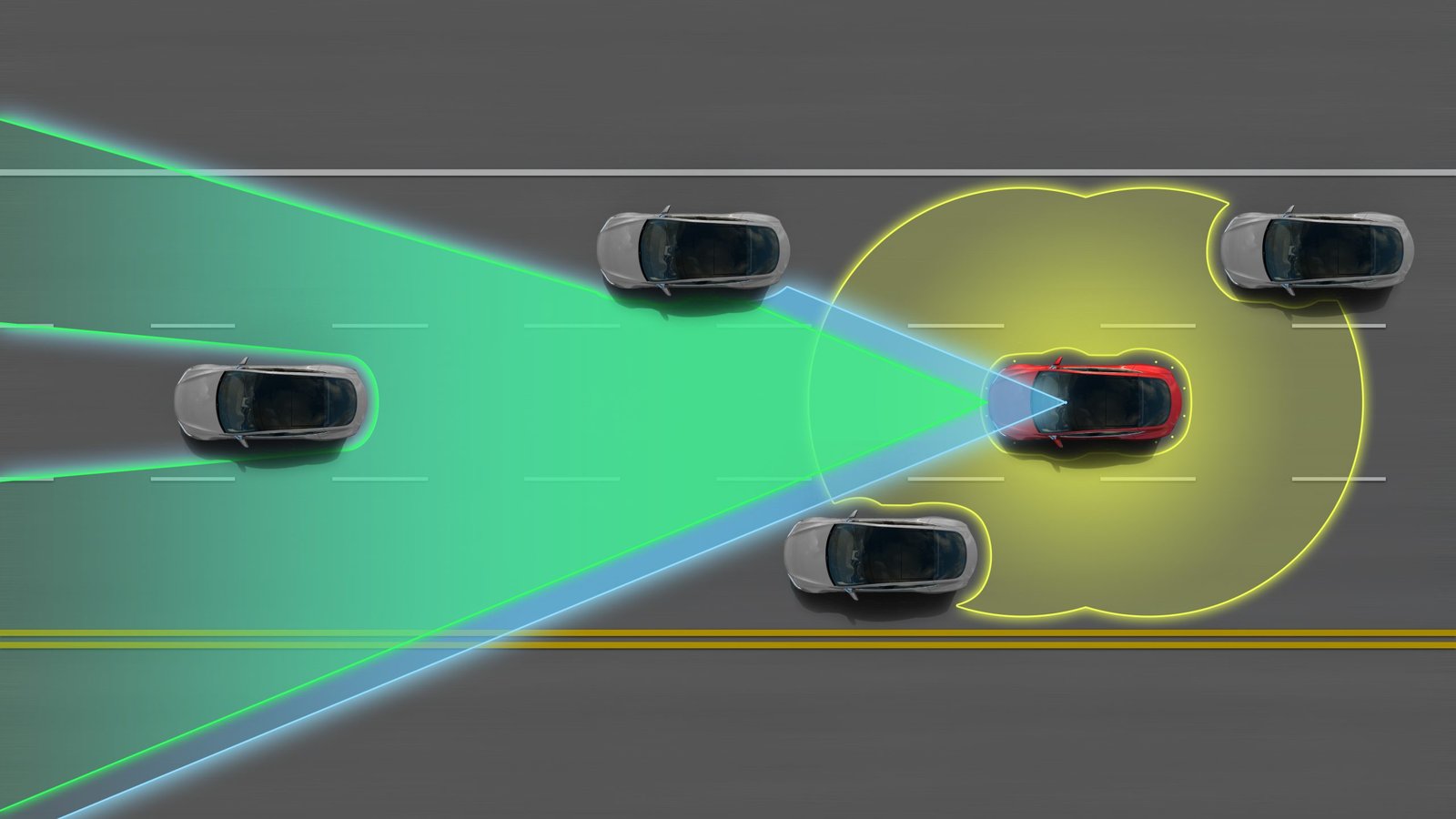
The technical allegations at the center of the NHTSA investigation involve a familiar failure mode for autonomous driving systems: the inability to detect or respond to slow or stopped vehicles in the same travel lane. According to the Office of Defects Investigation, Comma.ai devices failed to detect or respond to slow or stopped vehicles across multiple incidents, a deficiency that has previously triggered federal investigations into Tesla Autopilot, Ford BlueCruise, and other advanced driver-assistance systems. Comma.ai's own website acknowledges this limitation, stating that the performance of its openpilot Adaptive Cruise Control can be affected by vehicles in the same lane that are not moving, and that when abrupt braking is required, openpilot is designed to be limited in the amount of deceleration it can produce. For personal injury firms, the fact that the manufacturer itself documented the system's limitations in public-facing materials is significant for negligence and failure-to-warn theories of liability, because it establishes that the company was aware of the hazard and chose to market the product with warnings that may have been insufficient to protect users and the public.
The fatal crash details reveal the complex liability landscape that aftermarket autonomous systems create. One of the two fatal incidents occurred in February 2026 in Ascension Parish, Louisiana, when a 2022 Toyota RAV4 equipped with a Comma.ai device and running FrogPilot, a third-party fork of the company's openpilot software, struck a fully marked Gonzales Police Department vehicle that was unoccupied and positioned in the left lane with emergency lights activated while officers investigated a separate crash. Two rear-seat passengers in the Toyota died in the collision. The involvement of third-party modified software, which Comma.ai does not officially support, creates a critical liability question that PI firms will increasingly encounter: when an aftermarket AI system is modified by a user or a third-party developer, where does the original manufacturer's liability end and the modifier's liability begin? Courts have not yet developed a consistent framework for allocating responsibility when AI systems are forked, modified, or combined with third-party software, and the Comma.ai investigation will likely become a significant test case for how regulators and courts apportion liability in these hybrid manufacturer-modifier scenarios.
The broader regulatory context intensifies the significance of the NHTSA action. Comma.ai has operated since 2015 in a gray zone of automotive regulation, selling devices that consumers install themselves to control factory-installed Adaptive Cruise Control and Automated Lane Centering systems without the pre-market approval, testing protocols, and recall infrastructure that govern original equipment manufacturers. The company's website compares its product to Tesla Autopilot and GM Super Cruise, suggesting functional equivalence with systems that have undergone extensive manufacturer testing and regulatory interaction, but Comma.ai has not been subject to the same oversight. The NHTSA investigation signals that regulators are increasingly unwilling to allow aftermarket AI safety systems to operate outside the traditional automotive safety framework, and PI firms should anticipate that the investigation will produce a public record of technical findings, failure mode analyses, and safety assessments that will be directly usable in litigation involving not only Comma.ai but also other aftermarket and retrofit autonomous systems.
For personal injury law firm leadership, the Comma.ai federal investigation carries three practical implications. First, the documented failure mode, inability to detect stopped or slow vehicles, is the same defect that has caused fatalities in Tesla Autopilot, Ford BlueCruise, and other manufacturer-installed systems, and PI firms should treat aftermarket autonomous driving systems as subject to the same product liability theories, negligence standards, and failure-to-warn claims that have been successfully advanced against OEM autonomous systems, because the hazard is identical even if the regulatory classification differs. Second, the involvement of third-party forked software in at least one fatal crash creates a complex liability allocation problem that PI firms must be prepared to analyze, because defendants will likely attempt to shift responsibility to the third-party modifier, and plaintiffs' counsel must develop theories that hold the original manufacturer liable for designing a system that could be dangerously modified, for failing to prevent unauthorized modifications, or for marketing the system in ways that encouraged or enabled third-party forks. Third, the NHTSA investigation will generate a public technical record that PI firms can use in discovery, and firms handling cases involving Comma.ai, aftermarket autonomous systems, or similar AI-powered driving technology should monitor the investigation docket closely, because NHTSA's findings on system design, testing adequacy, warning sufficiency, and failure mode characteristics will provide expert-ready technical evidence that may be directly admissible in civil litigation. As federal regulators turn their attention to the aftermarket AI systems that consumers are installing in their vehicles, the Comma.ai investigation is a reminder that the liability framework for autonomous driving technology is expanding beyond traditional manufacturers to encompass the growing ecosystem of aftermarket AI vendors, and personal injury firms must develop expertise in this emerging area of product liability to represent clients harmed by systems that were never designed, tested, or regulated as automotive safety equipment.