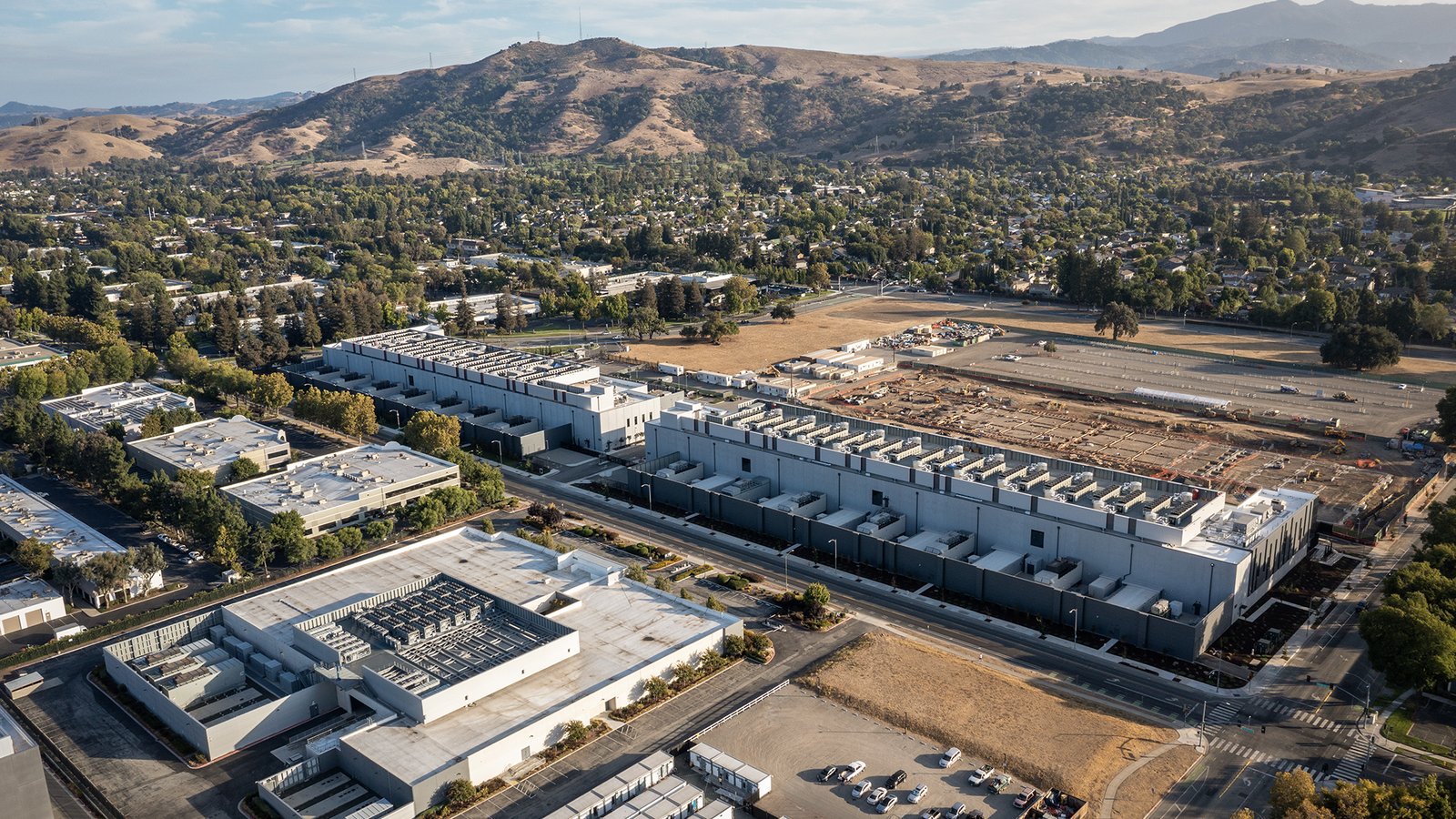
On September 21, 2026, California Governor Gavin Newsom signed a comprehensive legislative package of seven bills that fundamentally reshapes how the state's data center industry operates, imposing new financial, environmental, and transparency obligations on the facilities that power the artificial intelligence revolution. The bills, reported by CalMatters, CBS News San Francisco, and multiple outlets, represent a dramatic policy pivot for Newsom, who had vetoed similar water-disclosure legislation in 2025 on the grounds that it might stifle AI innovation. For personal injury law firms, the California data center legislation is significant not merely as an environmental and infrastructure story but as a signal that the physical footprint of AI is becoming a subject of intense regulatory scrutiny, with implications for where AI companies operate, how they price their services, and what liabilities they may face when their infrastructure affects local communities.
The seven-bill package addresses three core areas of concern. The first cluster, SB 1168, SB 886, and AB 2383, tackles the financial burden of electrical infrastructure upgrades. Under current practice, the cost of transmission lines and grid reinforcements has frequently been socialized across all utility ratepayers, meaning residential customers subsidize power infrastructure for facilities that consume as much electricity as small cities. The new laws require the California Public Utilities Commission to implement tariffs by January 1, 2028, ensuring data center operators cover the incremental costs of generation and transmission infrastructure. Operators must commit to long-term payment mechanisms of at least ten years, provide upfront collateral, and meet minimum payment thresholds tied to their projected energy load.
The second cluster, AB 1577, AB 2469, and AB 2619, mandates rigorous resource consumption transparency. AB 2469 prohibits local governments from approving new or expanded data centers until developers disclose projected water usage, responding to concerns about the strain that cooling places on water supplies in drought-prone regions. AB 1577 requires data centers with at least 500 kilowatts of installed capacity to submit monthly operating data to the California Energy Commission, including power usage effectiveness, water usage effectiveness, and refrigerant use. The third major component, SB 887, removes data centers from blanket exemptions under the California Environmental Quality Act, while offering a fast-tracked approval path for projects that demonstrate compliance with conservation standards. This compromise reflects the tension between California's ambition to remain the global AI hub and the political reality that approximately seven in ten Californians now oppose data center construction in their communities.
For personal injury law firm leadership, the California data center legislation carries three practical implications. First, the new disclosure requirements create a public dataset that PI firms can use in environmental and community-impact litigation, and firms handling data center construction or public nuisance cases should develop discovery strategies that incorporate the monthly operating data that AB 1577 requires facilities to submit. Second, the cost-allocation shift from ratepayers to operators may increase operating costs of California-based AI facilities, and PI firms should monitor whether API pricing and cloud computing fees from vendors with significant California footprints adjust upward to reflect the new tariffs. Third, industry warnings about project migration to neighboring states suggest that the geographic distribution of AI infrastructure may shift in response to regulatory pressure, and PI firms should evaluate whether their AI vendors have adequate redundancy and multi-region deployment strategies to maintain service reliability if California's regulatory environment drives capacity elsewhere. As California becomes the first state to impose comprehensive accountability requirements on the data centers powering artificial intelligence, the legislation is a reminder that the physical infrastructure of AI is as consequential as the algorithms it runs.