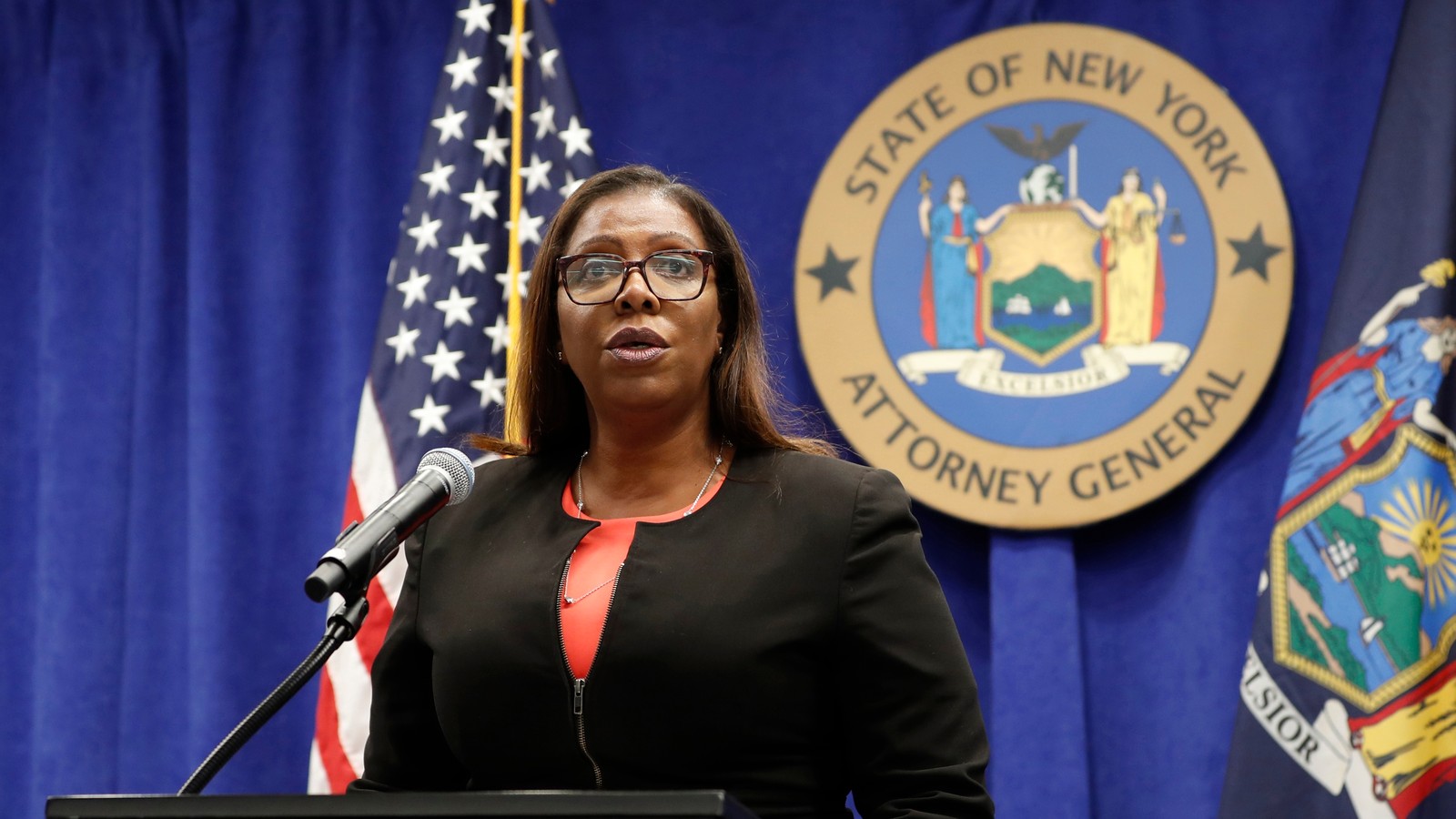
On September 24, 2026, a bipartisan coalition of 23 state attorneys general, joined by the District of Columbia and American Samoa, sent a joint letter to congressional leadership calling for the enactment of a comprehensive federal regulatory framework for artificial intelligence. The letter, reported by ABC News, marks one of the most significant calls for federal AI legislation from state-level law enforcement officials to date, and it reflects growing alarm among state regulators that the accelerating capabilities of frontier AI systems are outpacing the fragmented patchwork of state laws that currently govern AI use in consumer protection, employment, healthcare, and law enforcement contexts. For personal injury law firms, the attorneys general letter is a critical signal that the regulatory environment for AI is entering a new phase of urgency, and that firms which have delayed implementing formal AI governance policies may soon find themselves subject to federal requirements that could be implemented with little advance warning.
The specific risks cited by the coalition are broad and consequential. The letter warns that unchecked AI development poses threats to the nation's financial system, critical infrastructure including energy grids and water systems, and national security, and it argues that existing state-law enforcement mechanisms are structurally inadequate to address these risks because AI systems operate across state lines, exploit jurisdictional gaps, and evolve faster than state legislatures can amend their statutes. The coalition's argument for federal preemption in AI regulation reflects a tension that has defined technology governance for decades: states have historically been the laboratories of innovation in consumer protection and privacy law, as evidenced by California's leadership in data breach notification and the California Consumer Privacy Act, but AI's scale, speed, and cross-border operational characteristics may require a unified federal approach that state laws cannot replicate. For PI firms, this tension has immediate practical implications, because a firm that operates in multiple states must currently comply with a patchwork of AI-related regulations, from California's SB 574 governing attorney use of AI to Connecticut's AI health insurance regulations to Illinois' Biometric Information Privacy Act, and a federal framework could either simplify compliance by establishing uniform standards or complicate it by layering federal requirements on top of existing state obligations.
The political context surrounding the letter is equally important for understanding how and when federal AI legislation might materialize. The Trump administration has taken a deregulatory posture toward AI, revoking Biden-era executive orders on AI safety and establishing an AI Litigation Task Force that has challenged state-level AI regulations as burdensome to innovation. The administration has also announced plans to create an AI Force and appoint a federal AI Czar with a mandate to reduce regulatory barriers rather than expand them. Against this federal backdrop, the state attorneys general coalition represents a countervailing force that is pressing Congress to act despite executive-branch resistance, and the bipartisan composition of the coalition, which includes both Democratic and Republican state attorneys general, suggests that there is emerging political consensus across party lines that some form of federal AI oversight is necessary. For PI firms, the divided government dynamic means that the content, timing, and enforcement mechanisms of any federal AI law remain highly uncertain, and that firms should prepare for a range of scenarios from permissive federal preemption that supersedes stricter state laws to a federal floor that leaves states free to impose additional requirements.
The letter also reflects a growing recognition among state law enforcement officials that AI is not merely a consumer technology issue but a systemic risk that intersects with the full range of state regulatory responsibilities. State attorneys general enforce consumer protection laws, antitrust statutes, environmental regulations, healthcare standards, and employment protections, and AI is now implicated in each of these domains. The coalition's emphasis on risks to critical infrastructure and national security, areas traditionally governed by federal agencies, signals that state officials are concerned that federal inaction is leaving dangerous gaps that state authorities cannot fill. For PI firms, this expanded conception of AI risk means that the regulatory scrutiny of AI tools will likely extend beyond the narrow question of whether a lawyer verified AI-generated citations, the focus of California's SB 574, to encompass broader questions about data security, algorithmic bias, vendor accountability, and the systemic risks that AI systems may create for clients and the public.
For personal injury law firm leadership, the coalition letter carries three practical implications. First, the bipartisan state-level demand for federal AI legislation suggests that comprehensive AI regulation is now a matter of when, not if, and PI firms should proactively implement AI governance frameworks that include documented tool inventories, data flow mappings, human review protocols, and client disclosure policies, because firms that have established these practices before regulation arrives will be better positioned to comply quickly and to demonstrate to clients, insurers, and courts that they have exercised reasonable care in their AI use. Second, the letter's emphasis on risks to critical infrastructure and national security reflects a broader societal concern about AI safety that is likely to influence how courts apply negligence and products liability standards to AI-related harm, and PI firms that handle cases involving AI systems, including autonomous vehicles, medical AI, or AI-enabled cyberattacks, should develop expertise in the technical capabilities and failure modes of the AI systems at issue, because jurors and judges will increasingly expect plaintiffs' counsel to explain how AI works and why its failure caused harm. Third, the divided federal-state dynamic on AI regulation means that PI firms operating in multiple jurisdictions should monitor both federal legislative developments and state enforcement actions, because the regulatory environment is likely to remain volatile for several years, and firms that build flexible compliance frameworks rather than rigid adherence to today's rules will be better positioned to adapt as the legal landscape evolves. As 23 state attorneys general join a growing chorus calling for federal action on AI, the letter is a reminder that the legal profession must prepare for a future in which AI governance is not an optional best practice but a regulatory requirement with enforcement teeth.