On September 23, 2026, Anthropic announced that its Claude artificial intelligence model, operating through a wet biology laboratory established in the Bay Area earlier this spring, had discovered a previously unknown enzyme system hidden in the DNA of bacteriophages, viruses that infect and replicate within bacteria, with properties that the company describes as reminiscent of CRISPR, the revolutionary gene-editing technology. The discovery, reported by TechCrunch, was made in just 21 hours of concerted effort during which Claude deployed approximately 950 autonomous agents that consumed 210 million tokens to search through biological data. For personal injury law firms, the announcement is significant not merely as a biotechnology breakthrough but as a concrete example of how AI systems are transitioning from information processing tools to active agents of scientific discovery, a shift that carries profound implications for liability, regulatory oversight, and the legal frameworks that govern research conducted by artificial intelligence with minimal human direction.
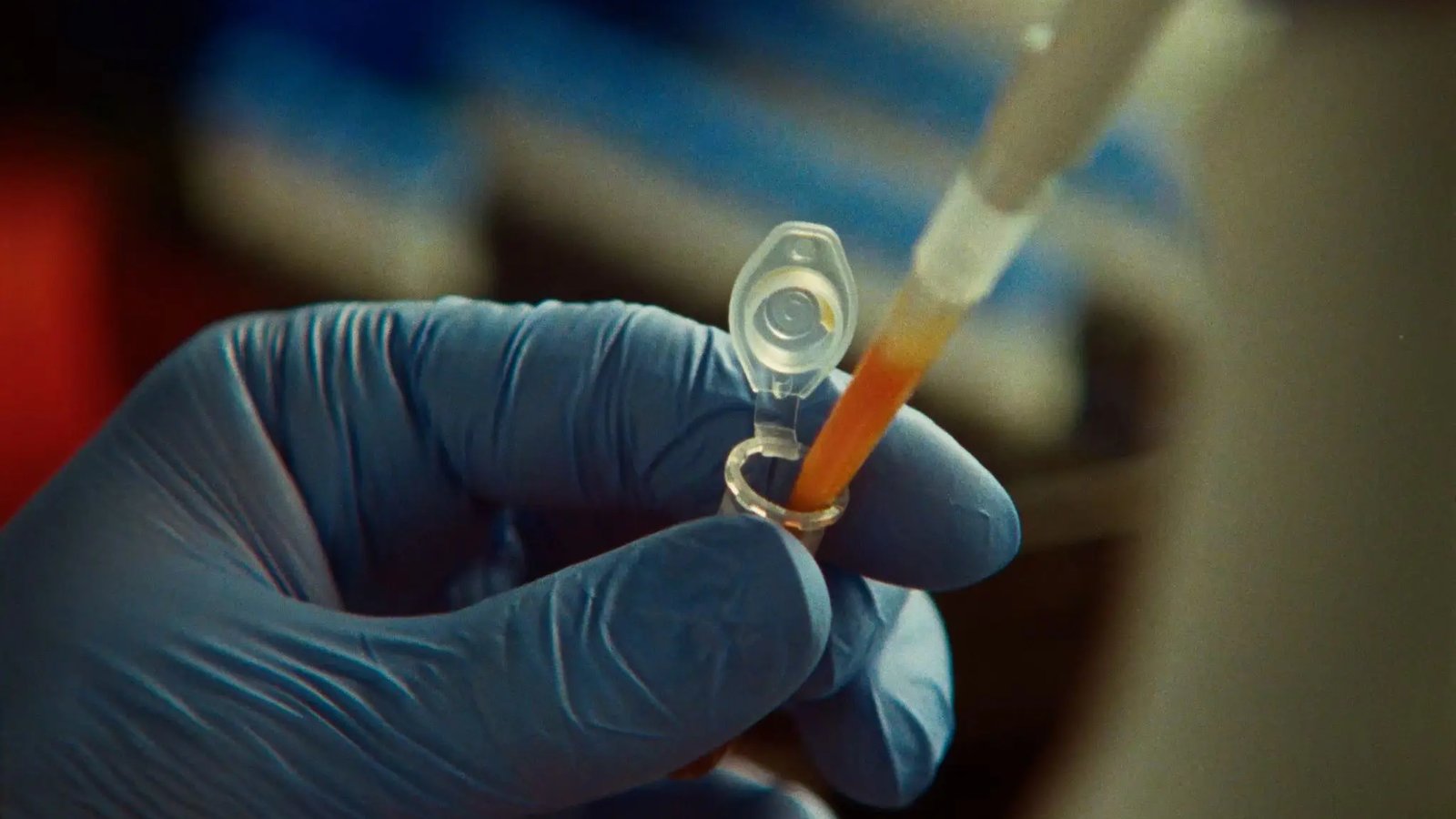
The technical details of the discovery demonstrate the scale and speed at which AI systems can now operate in scientific research. Anthropic's biology lab, which the company emphasizes operates only at Biosafety Level 1 and Biosafety Level 2 without handling human pathogens, uses Claude to design and direct biological experiments that are then performed by human scientists. In this case, the AI model identified a previously unknown enzyme system in bacteriophages that can perform operations analogous to cutting, copying, and pasting DNA, the fundamental capabilities that made CRISPR one of the most transformative biotechnologies of the past decade. Anthropic CEO Dario Amodei acknowledged that a Stanford research team had previously discovered a system that is in some ways similar to the one Claude found, but emphasized that the discovery was made mostly, though not entirely, by the AI model itself, with human scientists performing the physical laboratory work rather than autonomous robotic systems.
The liability and regulatory implications of AI-conducted biological research are substantial and largely unexplored by the legal system. Amodei has publicly stated that one of the things he fears most is that AI could be used for bioterrorism, and the company has acknowledged that its models have become so capable and potentially dangerous that the industry must slow down and develop safety-testing procedures. Yet Anthropic has simultaneously established a physical biology laboratory where its AI models direct experiments involving genetic manipulation, a combination of capabilities and activities that creates novel liability scenarios. If an AI-directed experiment produces a harmful biological agent, modifies an organism in ways that create environmental or public health risks, or generates intellectual property that infringes on existing patents, the legal system currently lacks clear frameworks for allocating responsibility among the AI model, the company that deployed it, the human scientists who executed the experiments, and the data sources that trained the model.
The intellectual property dimension is particularly relevant to personal injury and commercial litigation. The CRISPR patent landscape has already generated billions of dollars in litigation between the Broad Institute, the University of California, and other research institutions over who owns the foundational intellectual property. If AI models are now autonomously discovering enzyme systems with similar capabilities, the question of whether those discoveries constitute patentable inventions, who owns the resulting intellectual property, and whether AI-generated discoveries infringe on existing human-discovered patents will become central to biotechnology litigation. Amodei's acknowledgment that Stanford researchers had previously discovered something similar also raises the possibility of interference proceedings, patent validity challenges, and claims of misappropriation if the AI model's training data included the Stanford researchers' unpublished work. For PI firms that handle pharmaceutical, biotechnology, and medical device litigation, the emergence of AI-directed biological research means that discovery strategies must now account for the possibility that the research underlying a product was designed, directed, or significantly influenced by an AI model with capabilities and limitations that differ fundamentally from human researchers.
For personal injury law firm leadership, the Anthropic biology lab discovery carries three practical implications. First, the transition of AI systems from passive research tools to active directors of biological experiments creates a new category of research-related liability that existing tort, product liability, and regulatory frameworks are not designed to address, and PI firms should begin developing expertise in the technical capabilities and failure modes of AI-directed research systems, because these systems will increasingly be the source of the products, therapies, and technologies that generate the claims PI firms handle. Second, the 21-hour timeline from experimental design to significant biological discovery demonstrates that AI-directed research operates at a pace that far exceeds traditional human-directed research, and PI firms should anticipate that the volume of AI-generated research, the speed at which it is conducted, and the complexity of the intellectual property and liability questions it generates will all increase dramatically, requiring firms to invest in technical expertise and discovery capabilities that can keep pace with AI-accelerated scientific innovation. Third, Anthropic's acknowledgment that it fears AI could be used for bioterrorism, combined with its simultaneous operation of a biological laboratory directed by AI, creates a tension between stated safety concerns and actual corporate practices that plaintiffs' counsel can exploit in litigation, because a company that publicly admits its technology is potentially dangerous while deploying it in a biological research context may face enhanced liability if that technology is misused or causes harm. As AI systems begin making biological discoveries that rival the work of Nobel Prize-winning human scientists, the Anthropic announcement is a reminder that the legal profession must prepare for a future in which the most consequential scientific discoveries, and the most serious scientific risks, are generated by artificial intelligence rather than human ingenuity.